 Pin it
 My neighbor Klara used to make these every Sunday, and the smell would drift through the hallway and pull me right to her door. She'd always have extras, wrapped in foil, still warm from the oven. I never thought I'd learn to make them myself until she invited me into her kitchen one afternoon and showed me how to coax the cabbage leaves off without tearing them. That patience, that rhythm of folding and tucking, it stuck with me more than any written recipe ever could.
I made these for my family the first winter we all gathered after moving cities, and my dad got quiet halfway through his second helping. He said it reminded him of his childhood, of cold evenings and full tables. I hadn't expected that reaction, but it made me realize how much comfort lives inside a dish like this. It became my go-to whenever I wanted to feed people something real, something that felt like care on a plate.
Ingredients
- 1 large head of green cabbage: You need a firm, heavy head so the leaves peel off cleanly after boiling, look for one without too many tough outer layers.
- 500 g ground beef or pork or a mix: A blend gives deeper flavor, but all beef works beautifully if that's what you have on hand.
- 120 g uncooked long-grain white rice: Par-cooking it first keeps the filling from getting mushy and helps everything cook evenly in the oven.
- 1 medium onion, finely chopped: This goes into the filling for sweetness and moisture, chop it small so it melts into the meat.
- 2 cloves garlic, minced: Adds warmth and depth, don't skip it even if you're tempted.
- 1 large egg: Binds the filling together so it doesn't fall apart when you roll.
- 2 tbsp fresh parsley, chopped: Brightens the filling with a hint of freshness, dried parsley works but fresh is better here.
- 1 tsp salt and 1/2 tsp black pepper: Season the filling well, it needs to stand up to the sauce.
- 700 ml tomato passata or crushed tomatoes: This is the base of your sauce, smooth passata gives the best texture.
- 2 tbsp tomato paste: Concentrates the tomato flavor and adds richness you can taste in every spoonful.
- 1 medium onion and 2 cloves garlic for the sauce: Sautéing these first makes the sauce taste cooked-in and deep, not raw.
- 1 tbsp sugar: Balances the acidity of the tomatoes, you won't taste sweetness but you'll notice if it's missing.
- 1 tsp dried thyme: Adds an earthy note that ties the whole dish together.
- 1 tbsp vegetable oil: For sautéing the aromatics without burning them.
Tired of Takeout? 🥡
Get 10 meals you can make faster than delivery arrives. Seriously.
One email. No spam. Unsubscribe anytime.
Instructions
- Preheat and Prep:
- Set your oven to 180°C (350°F) so it's ready when you are. Clear some counter space, you'll need room to roll.
- Soften the Cabbage Leaves:
- Bring a large pot of salted water to a boil, remove the core from the cabbage, and lower it in. Simmer for 8 to 10 minutes, gently peeling off leaves as they soften, you want 12 to 14 big pliable ones.
- Make the Tomato Sauce:
- Heat oil in a pan over medium heat, sauté the chopped onion and garlic until soft, about 3 minutes. Stir in tomato paste and cook for a minute, then add passata, sugar, thyme, salt, and pepper, simmer for 10 minutes and set aside.
- Par-Cook the Rice:
- Boil the rice in a small pot for 5 minutes until half-cooked, drain it and let it cool slightly. This step keeps the filling from getting too wet or dense.
- Mix the Filling:
- In a large bowl, combine the ground meat, par-cooked rice, chopped onion, garlic, egg, parsley, salt, and pepper. Mix it with your hands until everything is evenly distributed but don't overwork it.
- Roll the Cabbage Leaves:
- Lay a cabbage leaf flat, add 2 to 3 tablespoons of filling near the stem end, fold the sides over and roll up tightly. Repeat with the remaining leaves, it gets easier as you go.
- Assemble in the Baking Dish:
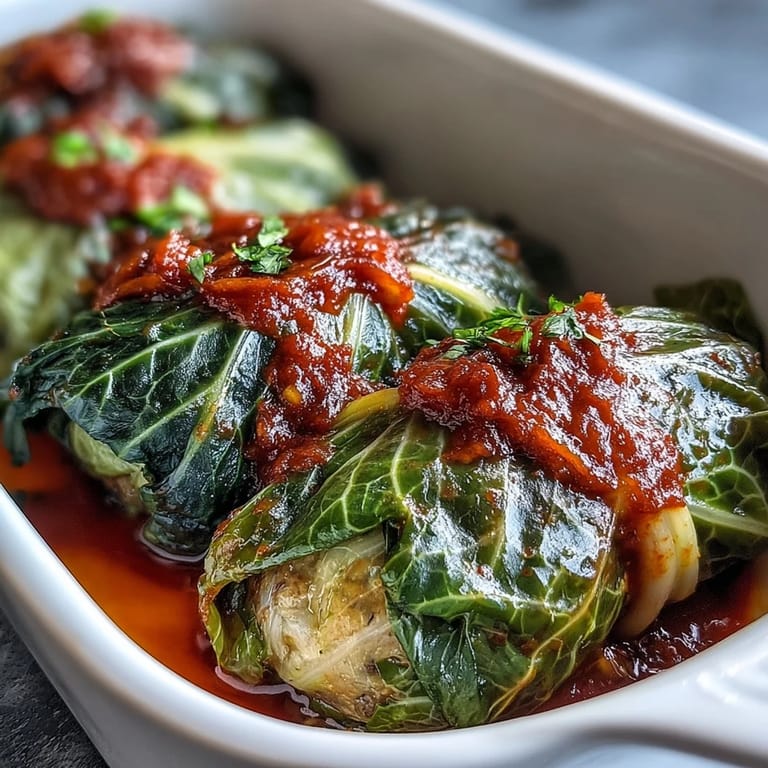
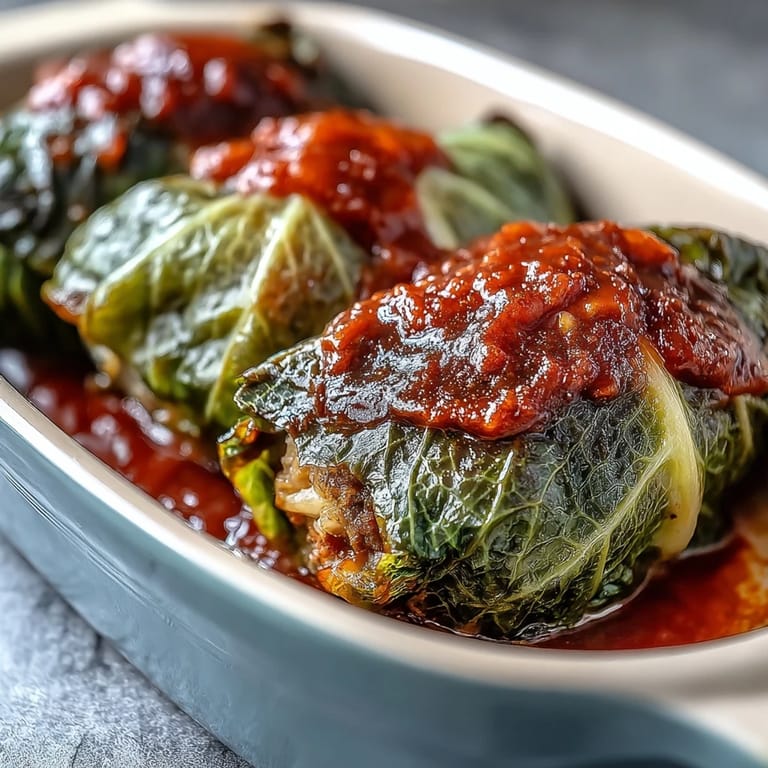
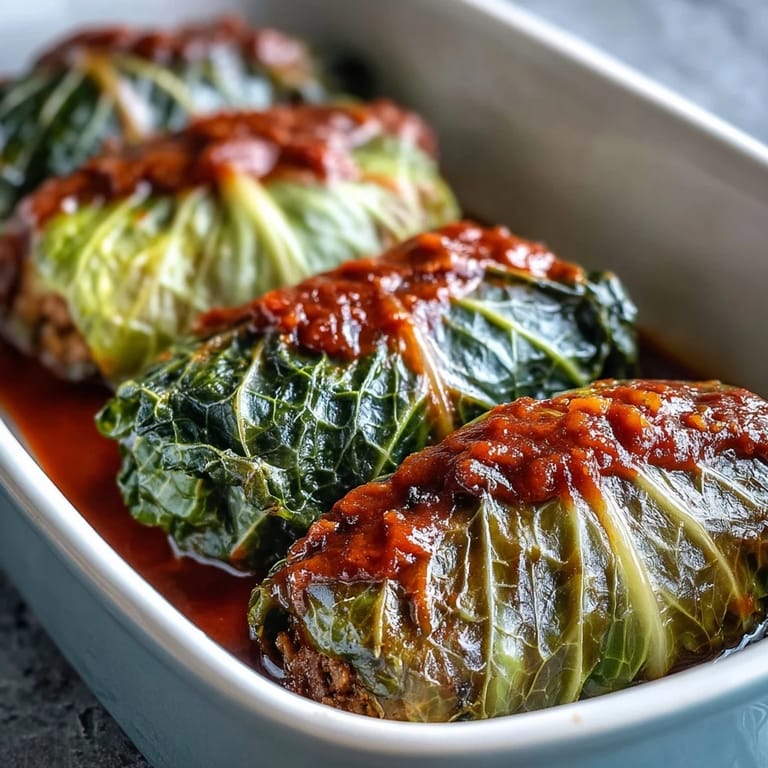
- Spread a thin layer of tomato sauce on the bottom of your ovenproof dish, then arrange the rolls seam side down in a single layer. Pour the rest of the sauce evenly over the top.
- Bake Covered:
- Cover the dish tightly with foil or a lid and bake for 1 hour. Remove the foil in the last 15 minutes if you want a thicker, slightly caramelized sauce on top.
- Rest and Serve:
- Let the rolls cool for a few minutes before serving. Garnish with extra parsley if you like, and serve with sour cream and crusty bread.
 Pin it
 The first time I served these at a potluck, someone asked if they were my grandmother's recipe. I didn't have the heart to say I learned them from a neighbor in a cramped apartment kitchen, but in a way, that's even better. It's proof that some recipes don't need bloodlines, they just need to be passed on with care.
How to Store and Reheat
Cabbage rolls keep beautifully in the fridge for up to 4 days, stored in an airtight container with all that sauce. Reheat them gently in the oven at 160°C (320°F) covered with foil, or microwave individual portions with a splash of water to keep them moist. They freeze well too, up to 3 months, just thaw overnight in the fridge before reheating.
Variations Worth Trying
You can swap the meat for cooked lentils or finely chopped mushrooms if you want a vegetarian version that still has heft. Some people add a bit of cooked bacon to the filling for extra smokiness, or stir sauerkraut into the tomato sauce for tang. I've also seen versions with a dollop of sour cream mixed right into the sauce before baking, which makes it creamy and rich.
Serving Suggestions
These are hearty enough to stand alone, but they shine next to a simple cucumber salad or a pile of mashed potatoes. A dollop of cold sour cream on top is traditional and cuts through the richness perfectly. If you're feeding a crowd, set out some rye bread and pickles, it turns the whole meal into something people remember.
- Serve with a crisp white wine or cold beer if you want to keep it casual.
- Leftovers make an incredible lunch the next day, sometimes even better than the first serving.
- Don't be shy with the parsley garnish, it adds color and a fresh bite that balances the sauce.
 Pin it
 There's something about the ritual of rolling each one, tucking in the sides, that makes this dish feel like an act of love. I hope it brings warmth to your table the way it has to mine.
Questions & Answers
- → Can I prepare cabbage rolls ahead of time?
Yes, you can assemble the rolls up to 24 hours in advance. Store them covered in the refrigerator with the sauce, then bake when ready to serve. You may need to add 10-15 minutes to the cooking time if baking from cold.
- → How do I prevent the cabbage leaves from tearing?
Boil the cabbage just until the leaves are pliable, removing them carefully as they soften. If a leaf tears, simply overlap two smaller leaves or patch with another piece. The sauce will help hold everything together during baking.
- → What's the best meat to use for the filling?
A combination of ground beef and pork creates the most traditional flavor and texture. Pure beef works well for a leaner option, while pork adds moisture and richness. Choose meat with about 15-20% fat for best results.
- → Can I freeze cooked cabbage rolls?
Absolutely. Once baked and cooled, freeze them in an airtight container with sauce for up to 3 months. Thaw overnight in the refrigerator and reheat in the oven at 180°C (350°F) for 30-40 minutes until heated through.
- → Why is the rice only partially cooked before adding to the filling?
Par-cooking the rice prevents it from becoming mushy during the long baking time. The rice continues cooking inside the cabbage rolls, absorbing flavors from the meat and sauce while maintaining a pleasant texture.
- → What can I serve alongside cabbage rolls?
Traditional accompaniments include sour cream, crusty bread, boiled potatoes, or a simple cucumber salad. A light green salad with vinaigrette also pairs beautifully to balance the richness of the dish.