 Pin it
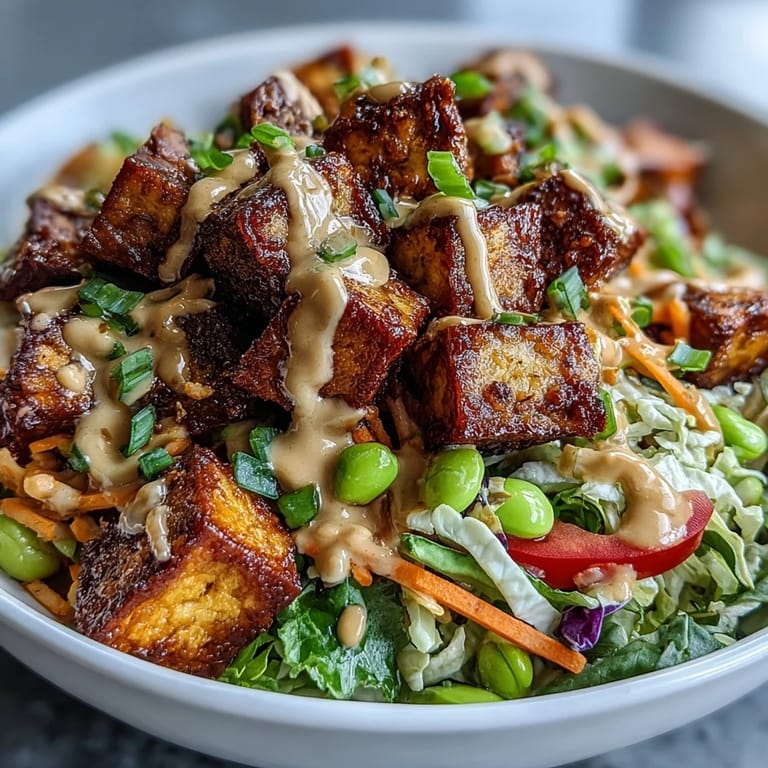
 I stumbled onto this bowl on a Tuesday when my fridge looked like a produce stand had exploded inside it—carrots, peppers, half a cabbage, and a block of tofu staring at me accusingly. Instead of letting everything wilt into regret, I decided to build something intentional: a peanut sauce-dressed meditation on crispy tofu and bright vegetables that somehow tasted both comforting and energizing. That first bite changed how I think about weeknight dinners, and now I make it whenever I need to feel genuinely nourished instead of just fed.
My sister came home from a long shift and I'd made this for her without warning—just a beautiful bowl sitting on the counter with golden tofu catching the kitchen light. She ate the whole thing without saying much, then quietly asked for the recipe, which I knew meant everything. That's when I realized this bowl wasn't just food; it was the kind of meal that tells someone you believe they deserve something good.
Ingredients
- Extra-firm tofu (400 g): Press it well to remove excess moisture, then cube it into roughly 3/4-inch pieces so the cornstarch coating clings properly and creates that crispy exterior.
- Cornstarch (2 tbsp): This is your secret weapon for crispy tofu—it creates a light, crunchy crust that rivals deep-frying without the oil.
- Brown rice or quinoa (200 g uncooked): Cook in vegetable broth instead of water if you have it; the extra flavor silently elevates everything.
- Carrots, bell pepper, cabbage: Cut everything into similar-sized pieces so the bowl feels intentional and the vegetables cook evenly if you choose to warm them slightly.
- Edamame (1 cup): Buy shelled and steamed for convenience, or freeze-to-table takes just 5 minutes in boiling water.
- Creamy peanut butter (60 g): Use natural peanut butter if you prefer—just stir the oil back in first if it's separated on top.
- Soy sauce or tamari (2 tbsp): Tamari is naturally gluten-free and tastes slightly deeper, though regular soy sauce works beautifully too.
- Sesame oil (1 tsp): This amount might seem small, but toasted sesame oil is intense; more isn't better, just burnished and flavorful.
- Rice vinegar or lime juice (1 tbsp): Rice vinegar gives subtle sweetness, while lime juice brings bright sharpness—choose based on your mood.
Tired of Takeout? 🥡
Get 10 meals you can make faster than delivery arrives. Seriously.
One email. No spam. Unsubscribe anytime.
Instructions
- Prepare your foundation:
- Start your rice or quinoa first since it takes the longest—while that's cooking, you'll have time to prep everything else without feeling rushed. Use vegetable broth if you have it for a richer grain that doesn't taste plain.
- Press and cube your tofu:
- Wrap your tofu block in a clean kitchen towel and set something heavy on top (a cast iron skillet works great) for 10–15 minutes to squeeze out moisture. Once pressed, cut it into roughly 3/4-inch cubes so they're substantial enough to get crispy edges.
- Coat with cornstarch magic:
- Toss your tofu cubes in a bowl with cornstarch and a generous pinch of salt until every piece is lightly dusted—this is what creates that crispy, golden exterior.
- Choose your heat method:
- For oven baking, spread coated tofu on a lined sheet, drizzle with olive oil, and bake at 200°C (400°F) for 20–25 minutes, flipping halfway through. For pan-frying, heat oil in a non-stick skillet over medium-high heat and cook until golden and crisp on all sides (about 15 minutes total).
- Build your sauce while tofu cooks:
- In a mixing bowl, whisk together peanut butter, soy sauce, maple syrup, rice vinegar, sesame oil, garlic, and ginger until smooth and emulsified. Start with 2 tbsp water and add more gradually until you reach that perfect drizzle consistency—not too thick, not too thin.
- Prep your vegetables:
- Julienne carrots into thin matchsticks, slice the bell pepper and cucumber into thin pieces, shred cabbage finely, and slice spring onions on the bias. If your edamame are frozen, drop them into boiling water for 5 minutes, then drain and shell.
- Assemble your bowl:
- Divide cooked grain among four bowls, creating a base, then arrange your prepared vegetables and golden tofu on top in a way that makes you want to take a photo. Drizzle the peanut sauce generously over everything, letting some pool at the bottom where the grain can soak it up.
- Finish with intention:
- Scatter roasted peanuts and sesame seeds over the top, add fresh cilantro or mint if you have it, then serve immediately while the tofu is still warm and the vegetables are still crisp.
 Pin it
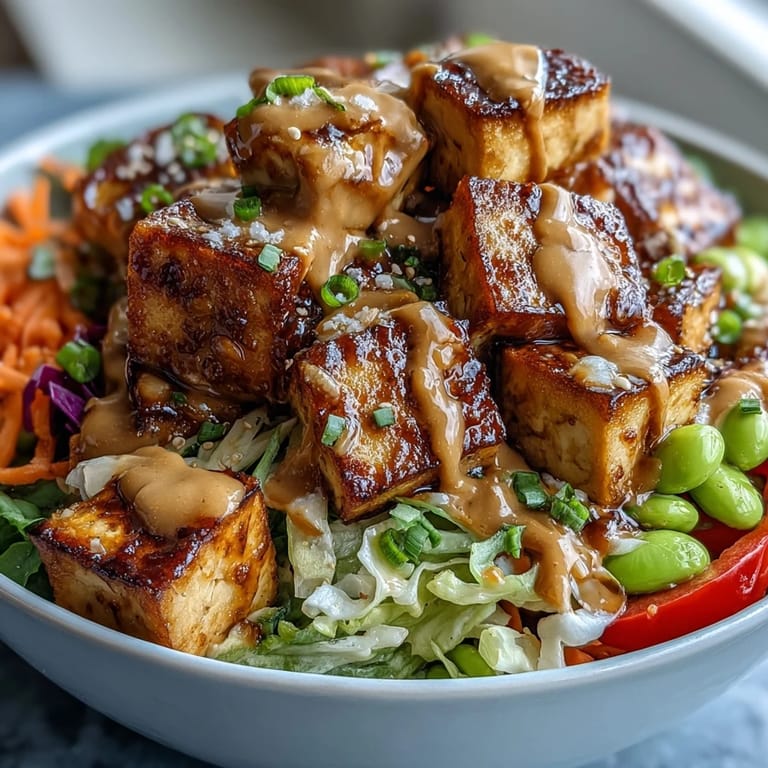
 I made this for myself on a Sunday morning when I needed to feel like I was taking care of myself, and something about arranging all those colors in a bowl felt meditative. The tofu was still warm, the sauce was creamy and complex, and every vegetable kept its crunch—it tasted like I'd made a real choice to nourish my body, not just feed it out of obligation.
The Tofu Technique
Cornstarch is honestly underrated in plant-based cooking because it does something magical: it creates a crispy exterior without deep-frying or wrestling with weird textures. I learned this accidentally after years of making rubbery tofu, and now I use the same technique on everything from tofu to chickpeas. The key is making sure your tofu is genuinely dry before coating, and your heat is genuinely hot when you're cooking—these two things alone make the difference between sad tofu and the kind that makes people ask what you're doing differently.
Building a Better Peanut Sauce
The sauce in this bowl is essentially a peanut-based vinaigrette, which means it's balancing fat, acid, salt, and sweetness in a way that sounds simple but matters deeply. I've made this sauce too thick (where it clogs your palate), too thin (where it runs straight to the bottom of the bowl), and too spicy (where nothing else tastes like anything), so now I approach it with the patience of someone who's learned through repetition. Add water slowly, taste as you go, and remember that the sauce will cling to the warm grain and tofu, so it doesn't need to be an ocean—it just needs to be generous enough that every bite of vegetables gets a coating.
Making This Bowl Your Own
The beauty of a power bowl is that it's a framework, not a prison—you can swap almost anything and still end up with something nourishing and delicious. I've made this with roasted sweet potato instead of grain, added avocado on the side, used broccoli when carrots weren't calling to me, and even switched the peanut sauce for tahini when I ran out of peanut butter. The core is crispy tofu, bright vegetables, and a sauce that ties everything together—everything else is just you listening to what your body and kitchen actually have available.
- Swap brown rice for quinoa, farro, or even cauliflower rice if you're going lower-carb and want something lighter.
- Add roasted sweet potato, steamed broccoli, or sautéed mushrooms for extra substance and nutrition.
- Make this sauce spicier by adding sriracha, extra chili flakes, or even a small amount of hot sauce if that's how you like to eat.
 Pin it
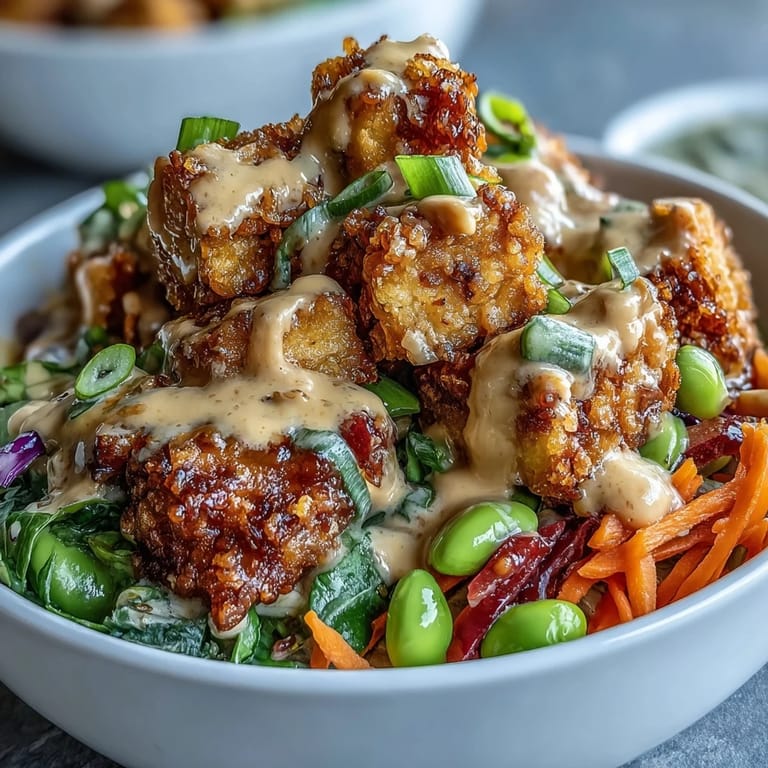
 This bowl has become my answer to a lot of different questions: what do I cook when I'm tired but want to feel good, what do I make for friends who eat differently than I do, what do I reach for when I need color and crunch and something that tastes intentional. That's the quiet power of a really good bowl.
Questions & Answers
- → How do I get crispy tofu?
Press extra-firm tofu to remove excess moisture, then coat cubes evenly with cornstarch. Bake at 200°C (400°F) for 20–25 minutes, flipping halfway, or pan-fry in a skillet with oil until browned and crispy on all sides.
- → Can I make this ahead?
Yes! Cook grains and roast tofu up to 3 days ahead. Prepare vegetables and sauce in advance. Store components separately in airtight containers and assemble when ready to serve.
- → Is this bowl gluten-free?
Yes, when using tamari instead of soy sauce. Check all packaged ingredients, especially the condiments, to ensure they're certified gluten-free.
- → What can I substitute for peanut butter?
Try almond butter, cashew butter, or sunflower seed butter for similar creaminess. Tahini creates a thinner, more savory sauce. Adjust sweetener and liquid accordingly.
- → How can I add more protein?
Increase edamame portions, add chickpeas, or include additional tofu. Hemp seeds or nutritional yeast sprinkled on top also boost protein content naturally.